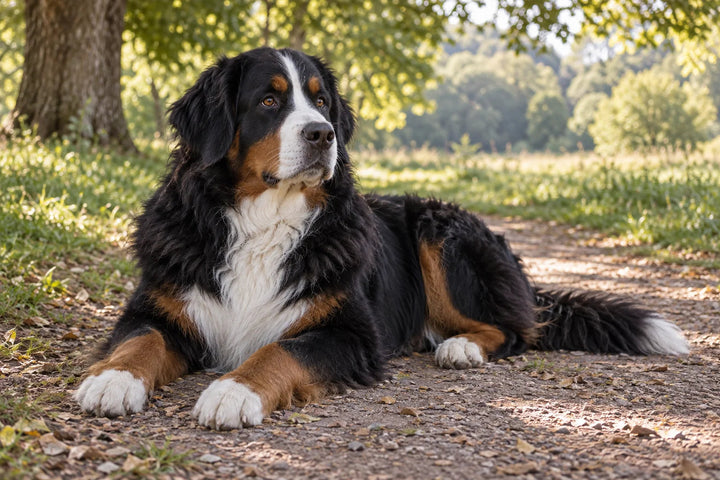
Chihuahua Grooming: Smooth Coats, Long Coats and Tiny Paws

Chihuahua grooming starts with two decisions: which coat your dog has, and how to make handling feel secure. A small dog still needs a proper routine, but a large brush, a slippery sink or a rushed nail session can make that routine unnecessarily difficult.
Smooth coats and long coats share the need for clean feet and sensible washing. The longer coat adds fringes that need careful checking; it does not automatically add a need for a full-body haircut.
Match care to the coat. Use a soft brush for a smooth Chihuahua. For a long coat, add gentle section work and a comb check of the feathering. Keep both coats natural for ordinary grooming.
Smooth and long coats need different attention
The AKC Chihuahua guide distinguishes occasional brushing of the smooth coat from regular tangle prevention in the long coat. The breed profile provides the wider coat and breed context.
On a smooth coat, use a small soft brush or gentle mitt to lift loose hair with the direction of growth. Do not press harder because the coat is close to the skin. The belly and legs may need little more than a soft cloth.
On a long coat, pay attention to the ear fringes, chest, feathering behind the legs and plumed tail. The long hair can look neat on top while a small knot forms beneath it, especially where equipment rubs.
Set up for a tiny dog without treating it like a toy
Use a stable non-slip surface at a height you can control safely. A floor mat is often a sensible choice for brushing. Never leave the dog unattended on a table or near the edge of a sink.
Let the dog investigate the brush before touching the coat. Start with one comfortable area and reward a calm pause. Support the body naturally if lifting is necessary; do not suspend the dog by the front legs or restrain it tightly just to finish a task.
Short sessions are useful here. You can brush the chest now and check the tail later. The aim is a dog that understands what is happening rather than one that must be held still for an entire routine.
How to check a long coat properly
- Separate a small area of longer hair with your fingers.
- Brush gently from the loose ends, supporting the section to reduce pulling.
- Once it is clear, pass a suitable comb through without force.
- Check behind each ear and beneath the harness separately.
- Finish the leg feathering and tail in small sections.
The VUNRO 5-inch Coarse and Fine Straight Comb can help check manageable longer hair after brushing. Choose the spacing that passes comfortably; the fine side is not a stronger detangling setting.
If a knot sits tight against the skin, leave it for an experienced groomer. A small knot on a small dog still carries a risk when scissors are pushed beneath it. Do not turn a routine comb check into a prolonged attempt to save every strand.
A small bath still needs thorough rinsing
Prepare towels and a non-slip mat first. Use comfortably lukewarm water and a dog shampoo according to its instructions, keeping lather away from the eyes and ear openings. Support the dog securely without pinning it in an awkward position.
Rinse beneath the chest and belly as carefully as the back. On a long coat, check that the longer hair is rinsed through rather than leaving product close to the skin. Blot with a towel instead of rubbing the fringes into knots.
Keep the dog warm and comfortable until completely dry. If a dryer is tolerated, use gentle airflow at a safe temperature, keep it moving and avoid the face. Do not leave the dog damp beneath a jumper.
Blue Cross bathing guidance is a useful reminder to wash according to need. Local dirt on the feet may only require local cleaning, followed by drying.
Keep facial care gentle
Use a soft damp cloth for ordinary food or surface dirt, then dry the area. Do not reach for whitening chemicals, scissors close to the eyes, or a stronger wash to solve persistent staining.
Check that collar and harness straps are clean and correctly fitted. With a long coat, gently separate any hair caught beneath a fastening. With either coat, persistent soreness or an unexpected change needs appropriate professional advice rather than cosmetic treatment.
Small nails need a clear stopping point
Practise holding a paw briefly before introducing a tool. Make sure the nail is visible and the dog is steady. Small size is no reason to assume a large nail cutter will give good control.
The VUNRO Small PRO Pet Nail Clipper may suit an individual dog when its opening fits the nail comfortably. If you already know the technique, take tiny amounts and avoid the sensitive quick. If you cannot confidently judge the limit, ask a groomer to demonstrate rather than guessing.
Check nails regularly, including any dewclaws present. End the session if the dog struggles; safe handling matters more than doing every foot at once.
Build a routine you can keep
For a smooth Chihuahua, plan a gentle regular brush and checks after dirty outings. For a long coat, add frequent checks of the friction areas and a thorough weekly brush-and-comb session, increasing attention when tangles appear sooner. Keep the natural outline, and seek help for difficult mats or handling before a small problem becomes a stressful appointment.
Keep learning
More from the Blade Blog
Whippet Grooming: Gentle Coat Care and Comfortable Nails
Read the guide →
Border Terrier Grooming: Keep the Wiry Jacket Comfortable
Read the guide →